

Why Is Quality Sleep So Important for Mental Health?
February 10, 2026
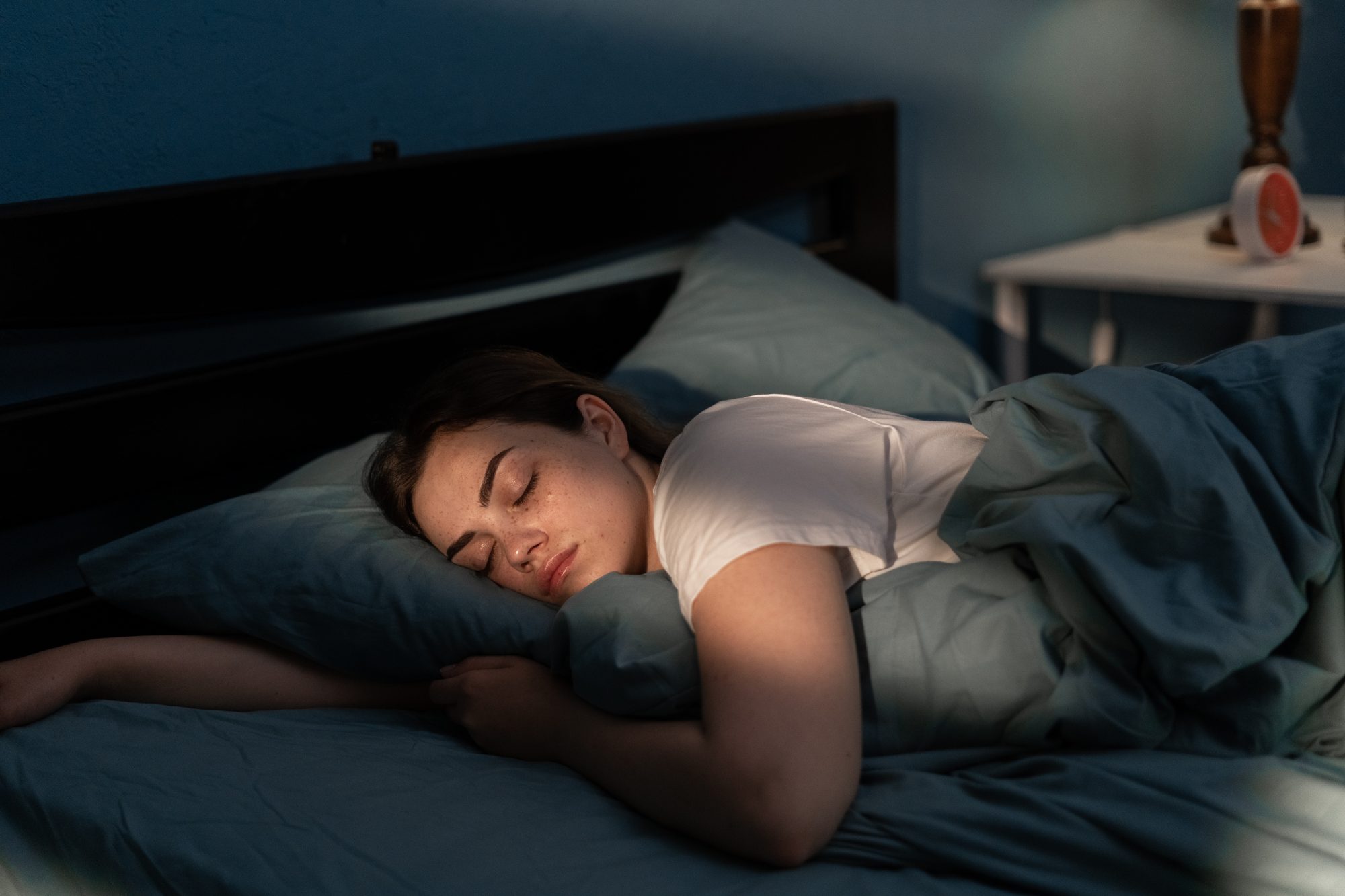
You’ve experienced grogginess after a rough night, but the impact of poor sleep goes far deeper than just needing an extra cup of coffee. Quality rest is a fundamental pillar of emotional stability and overall wellness, yet it is often the first thing we sacrifice when life gets busy. At CNSL, we recognize that the link between how you sleep and how you feel is complex. We are here to help you understand that relationship in a safe, non-judgmental space so you can find your balance again.
Our therapists can help you explore:
- The Sleep-Mood Loop: Understanding the bidirectional relationship between rest and emotion.
- The Anxiety Trap: How racing thoughts prevent sleep, and lack of sleep fuels anxiety.
- Warning Signs: Recognizing when insomnia signals a deeper mental health concern.
- Actionable Steps: Simple changes to your routine that can improve your sleep hygiene tonight.
How Does Anxiety Affect My Ability to Sleep?
It is a frustrating cycle that many of our patients know all too well. You lie down to rest, but your mind starts racing with worries, making it impossible to drift off. The next day, you are exhausted, which lowers your emotional resilience and makes you even more anxious.
Science backs this up. Research indicates that the relationship between sleep and mood is bidirectional. This means that while mental health challenges can ruin your sleep, poor sleep can actually cause mental health issues. In fact, studies suggest that people with insomnia are 17 times more likely to experience anxiety than those who sleep well. When you are sleep-deprived, your brain struggles to control emotions, leaving you feeling vulnerable and overwhelmed.
What Is the Best Bedtime Routine for Mental Clarity?
Creating a buffer between your day and your sleep is essential for quieting a busy mind. You cannot expect your brain to switch from “stress mode” to “sleep mode” instantly. You need a transition period.
Here are a few ways to structure your evening for better mental health:
- Stick to a Schedule: Try to go to bed and wake up at the same time, including on weekends. This regulates your internal clock.
- Power Down: The blue light from phones and tablets tricks your brain into thinking it is daytime. Put screens away at least an hour before bed.
- Create a Sanctuary: Keep your bedroom cool, dark and quiet. This signals to your body that it is time to rest.
- Practice Relaxation: Engage in calming activities like reading a physical book, gentle stretching or deep breathing exercises to lower your heart rate.
Could My Insomnia Be a Sign of a Deeper Problem?
Sometimes, sleeplessness is more than just a bad habit; it is a symptom. If you find yourself consistently waking up in the middle of the night or unable to fall asleep for weeks at a time, your body might be signaling a need for support.
Research identifies a concept called “mind after midnight,” suggesting that the brain functions differently late at night. Without the distractions of the day, negative thoughts can spiral, and decision-making can suffer. If you are staying up late to regain a sense of control or “me time,” you might actually be feeding depression or other mood disorders. Recognizing this pattern is the first step toward breaking it.
How Can I Improve My Rest Starting Tonight?
Improving your sleep hygiene doesn’t require a complete lifestyle overhaul overnight. Small, consistent changes can yield significant results for your mental well-being.
Consider trying these practical adjustments:
- Limit Stimulants: Avoid caffeine and alcohol in the hours before bedtime, as they can disrupt the quality of your deep sleep.
- Don’t Force It: If you can’t sleep, don’t lie there stressing about it. Get up, do something quiet in low light and return to bed only when you feel tired.
- Get Morning Light: Exposure to natural sunlight early in the day helps set your circadian rhythm, making it easier to fall asleep at night.
- Seek Professional Support: If self-help strategies aren’t working, therapies like Cognitive Behavioral Therapy (CBT) are considered the gold standard for treating insomnia and can be incredibly effective.
Reclaim Your Rest and Your Life
Sleep is not a luxury; it is a biological necessity for a healthy mind. If you are feeling stuck in a cycle of exhaustion and emotional distress, you do not have to handle it alone. CNSL offers individualized psychiatry services in Metro Atlanta designed to help families, couples and individuals heal. Our goal is to provide a treatment plan that works just for you. Contact us today to start your journey to the best version of you, one where you feel energized, rested and ready to embrace life.
You Don’t Need
To Do It Alone.
Help Is Just
One Click Away.

What is TMS
Therapy?
We offer an array of mental health services, including talk therapy, medicine management, TMS and telehealth. Supporting your mental health and well-being is our mission.
Related posts

Why Is Quality Sleep So Important for Mental Health?

How Can Therapy Help You Build Emotional Resilience?

How to Break the Cycle of Rumination
We Want To
Hear From You!
We welcome any and all questions! For anything
that may require a general response, feel free to
leave a message, and we will respond in a timely
manner. For questions specifically for our clinicians,
please call our office.
Call: 678.384.4911
Locations
3400-C Old Milton Parkway, Suite 395, Alpharetta, GA, 30005
3217 South Cherokee Lane, Suite 730, Woodstock, GA, 30188
3235 South Cherokee Lane, Building 1200, Woodstock, GA, 30188
4343 Shallowford Road, Building 410, Marietta, GA, 30062
700 Churchill Court, Suite 140, Woodstock, GA 30188
4595 Towne Lake Pkwy Bldg 300 Suite 150, Woodstock, GA 30189
4595 Towne Lake Pkwy Bldg 300 Suite 250, Woodstock, GA 30189
The information on this website is for informational purposes only; it is deemed accurate but not guaranteed. It does not constitute professional advice. Testimonials are not a guarantee, warranty or prediction of what your experience with us will be. By providing contact information, users acknowledge and give explicit consent to be contacted via the methods of communication provided, including SMS. Message and data rates may apply. Message frequency may vary. Reply STOP to opt out.
NUVEW | Copyright 2026 | All Rights Reserved Privacy Policy | Accessibility