
Family counseling is a type of therapy focused on resolving issues that impact a family’s well-being and overall dynamics, helping to restore harmony and improve relationships. It provides a safe, judgment-free space for family members to improve communication, resolve conflicts and strengthen their relationships under the guidance of a trained therapist.

Family Counseling

Metro Atlanta Family Counseling
For many people, there is nothing more important or special than family. But navigating family relationships and issues can also be stressful. For families of all shapes and sizes, family counseling can have a very positive impact. At CNSL, our therapists provide family counseling services that focus on communication, problem-solving, empathy, and improving your relationships. Reach out to us today to learn more about how our services can help your family grow stronger.
Why Do Families Seek Counseling Services?
There are a variety of reasons why a family may seek family counseling services. These include, but are not limited to:
- Death of a loved one
- Addiction/substance abuse issues
- Domestic abuse
- Child behavioral issues
- Teen behavioral issues
- Parent-child communication issues
- General communication issues
- Major changes—i.e., Moving to a new location, etc.
Families may seek counseling services simply because they are experiencing tension or chaos in the home without any obvious identifiable reason. Working with a professional therapist to develop healthy habits and communication skills can help families address minor issues before they become more serious.
There are many ways that families can benefit from counseling. You may think about family counseling if you are a parent who is struggling to connect with your child or your child is having behavioral issues or mental health issues; you and your partner are struggling to connect in your romantic relationship or have a source of conflict that needs to be resolved; siblings are fighting nonstop; or the family is dealing with a major change or conflict. Family counseling can also be helpful when the family is experiencing trauma, such as the death of a loved one.
How Does Family Counseling Work?
Going to counseling for the first time can be intimidating, and some families may feel like going to counseling is unnecessary. But family counseling can be a very positive experience. The purpose of family counseling is to help you and your family members understand one another, improve your communication tools, and learn to work together to solve problems and move your relationships forward in a positive way.
Family counseling can work in a variety of ways and will be based on a structure that works best for your family. Psychotherapy, also known as talk therapy, is often highly effective for families, but other techniques may also be incorporated. Each member of the family may meet with the therapist individually in addition to all-family sessions. Or, select members of the family may meet together for every session. Family counseling may be for couples, parents, a child and parent together, siblings, or other family relationships.
Reach Out to CNSL for Family Counseling Today
Learning how to effectively communicate and manage your emotions and responses when it comes to your family is very important and can lead to healthier relationships and improved happiness. When you and your family know how to communicate with one another, there can be increased trust and peace within your home.
At CNSL, our experienced family therapists understand the value of family therapy and are here to help you and your family members set goals together for your family therapy sessions. Whether you are looking to resolve a very specific issue or just want to alleviate tension and conflict in your home through improved communication, our therapists can help.
To learn more about our therapy services and how to get started, please reach out to us by calling CNSL at (678) 384-4911 and dialing 1 for Therapy or email client.coordination@cnsl.com. Visit here to view FAQ about our therapy services.
FAQs About Family Counseling in Georgia
Which Of Our Therapists Offer Family Counseling Services?
Alpharetta – Old Milton Parkway
To schedule at this location, Call: (678) 384-4911 / Email: client.coordination@cnsl.com
Sunshine Counseling – Alpharetta
To schedule at this location, Call: (678) 740-3990 / Email: inquiry@sunshinechildcounseling.com
Woodstock - Towne Lake Parkway
To schedule at this location, Call: (678) 403-1120 / Email: townelakeoffice@cnsl.com
You Don’t Need
To Do It Alone.
Help Is Just
One Click Away.




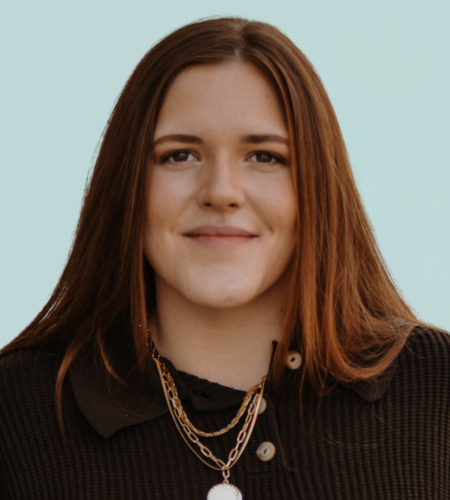
Victoria Saladna
LCSW

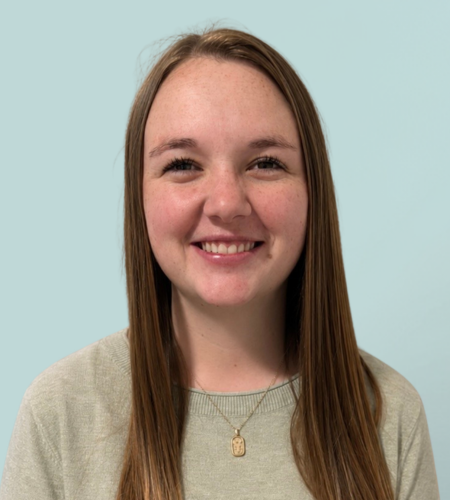
Abigail Shetler
LAPC

Morgan Mitchell
LAPC

Tiffany Peeler
LPC

Linde Ferrero
LCSW

Kimberly Meredith
MAMFT, NCC, LPC

Danielle O’Kelly
LPC

Morgan Kraut
LPC

Jill Bloemker
LPC

Olivia Cantrell
APC

Amanda Flowers
LAMFT

Kiara Cervantes
LAMFT, Certified Prepare/Enrich Facilitator

Karen Dodge
LPC, NCC

Julia Nailor
LCSW

Megan Walsh
Masters Level Pre-licensed Therapist
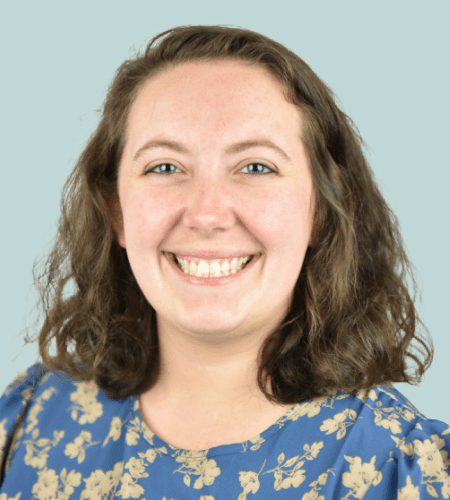
Erin Smith
LCSW

Ramona Mott
LPC

Madison Medford
LPC

Adam Stephens
LPC

Leigh Bowerfind
MSW
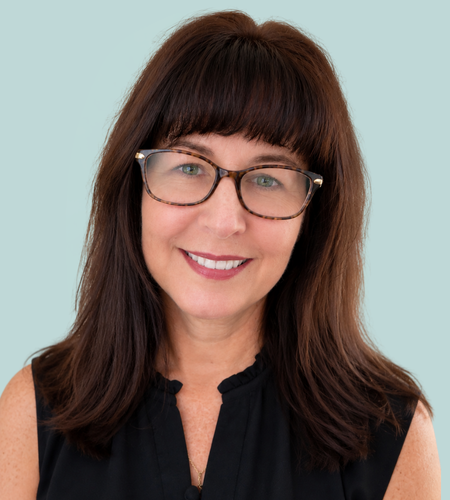
Shannon Dixon
LMSW

Wanda Watson
MA, LPC

Katie Cooley
MS

Cason Carman
MS
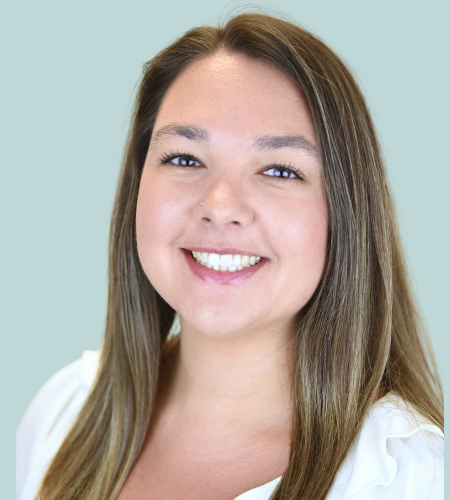
Kailey Austin
LMSW

Veronica (Vonnie) Slater
LPC, NCC
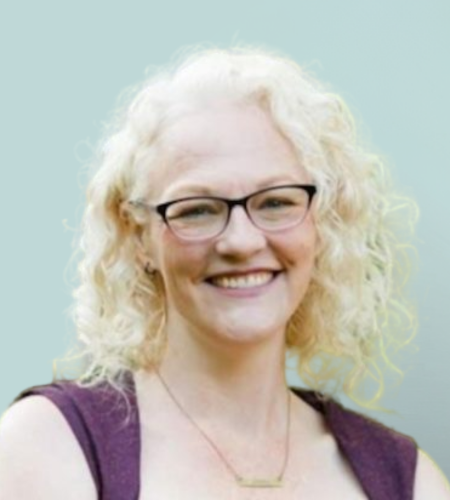
Lynn Zyskowski
LPC
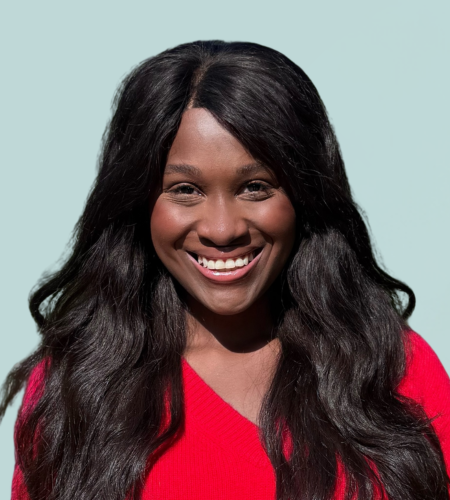
Jamila Allen
APC
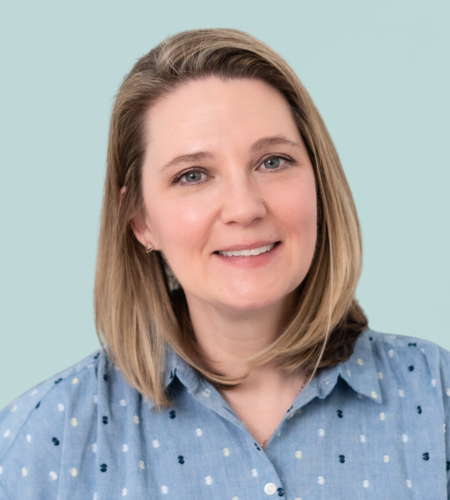
Crissy Himelstein
LPC, CPCS, RPT-S
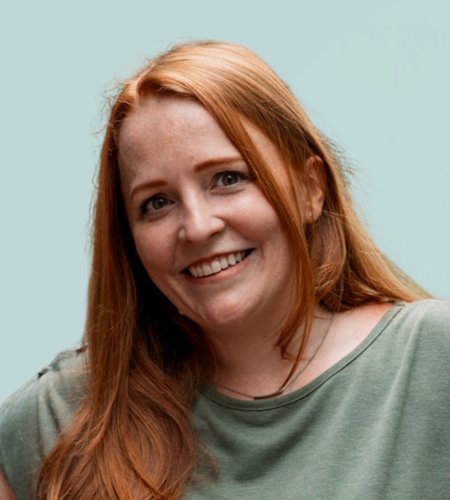
Lauren Wallace
LPC, CPCS, RPT-S

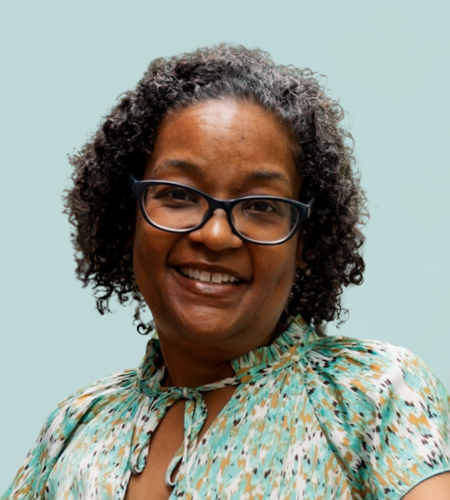
Lori Winston
APC, NCC
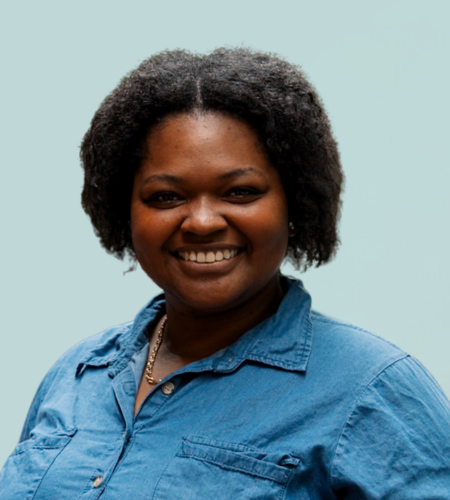
Desiree’ Lewis
Masters Level Therapist

Paige Kieltyka
APC

Leenah Abboud
APC, NCC

Sarah Norris
LCSW
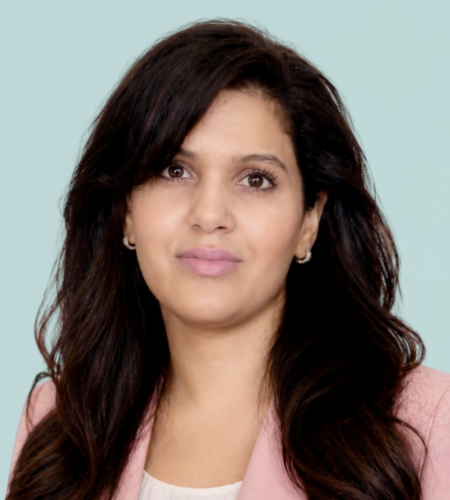
Vaishnavi Veggalam
Graduate Level Counseling Intern
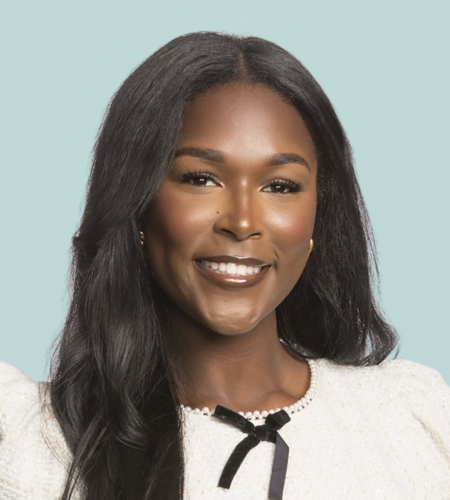
Logan Jackson
Graduate Level Counseling Intern
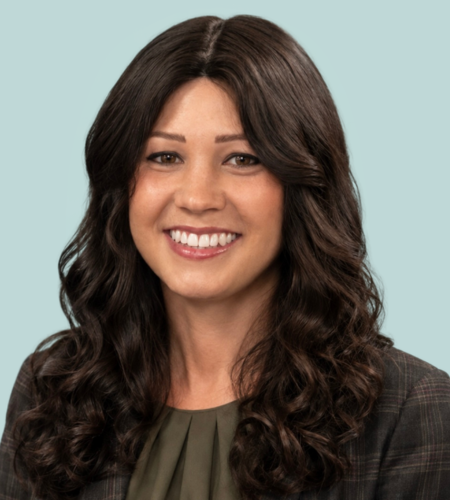
Gillian DellaPiana
Graduate Level Counseling Intern

Laura Madinger
LPC, OTR/L

Cathryn Heeter
LMSW

Dr. Jack St. Jean
MD, Board-Certified Psychiatrist

Dr. Ayman Fareed
Chief Medical Officer, Psychiatrist
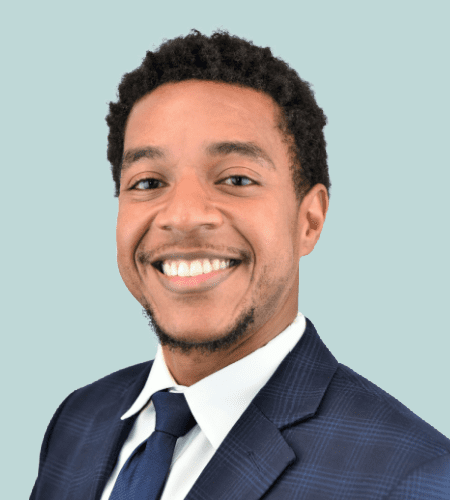
Dr. Jordan Howard
MD, Board-Certified Psychiatrist

Allison Weaver
NP, Psychiatric-Mental Health Nurse Practitioner
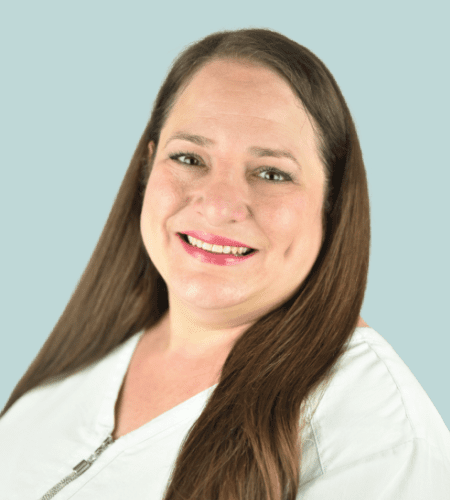
Allison Hogan
LMSW

Bailey Paris
LCSW

Bonita (Bonnie) Klopach
BS Ed, LCSW

Ashlee Pratt
LPC, NCC
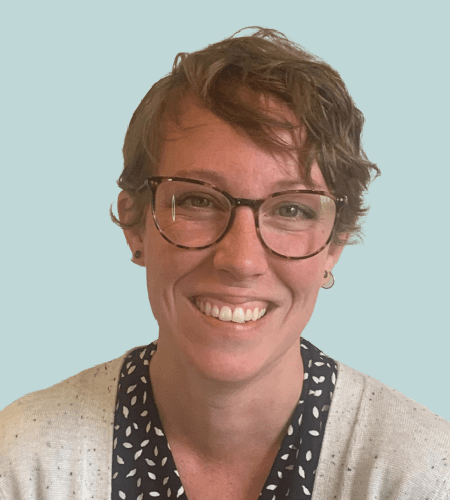
Brittany Ott
LCSW
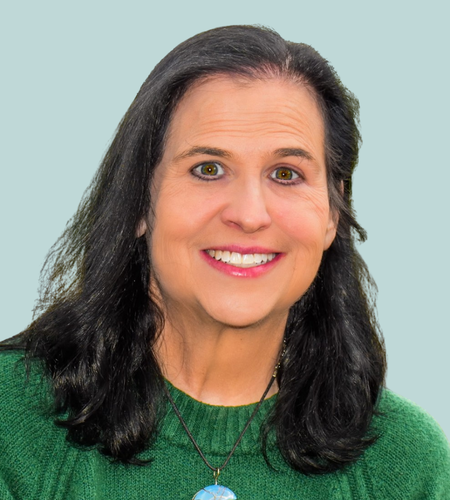
Carly Farrell
LCSW, Gerontology Certificate, Certified Clinical Hypnotherapist
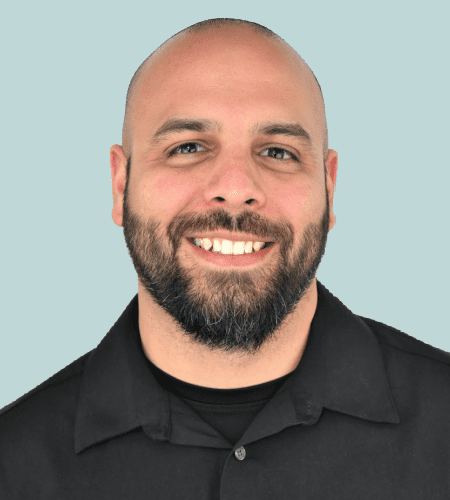
David Febles
LMFT

Denise Sunga
MS, LPC, CPCS
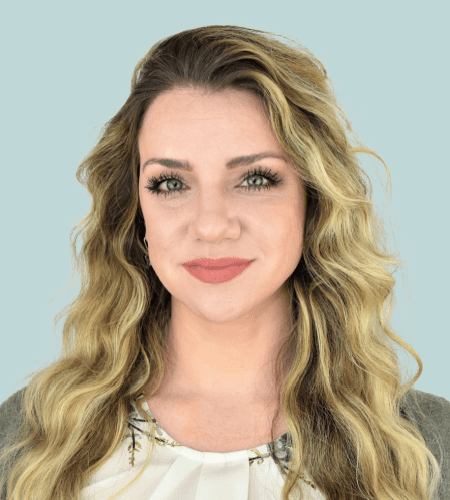
Elana Durden
LPC

Emily Morton
PA, NCCPA-Certified

Jackie Lilly
LPC

Jade Johnson
LPC

Kyle Benson
Physician Assistant

McKenzie Lane
PA-C
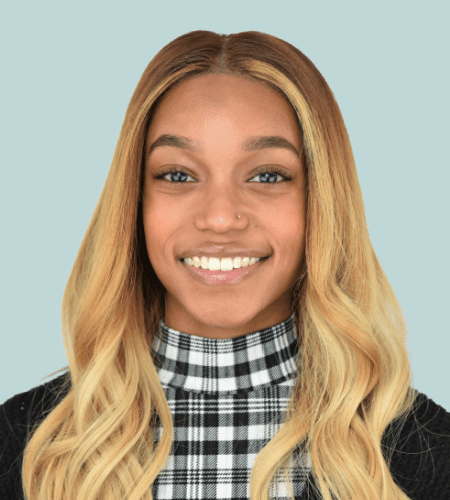
Jessica Coleman
NCC, LPC
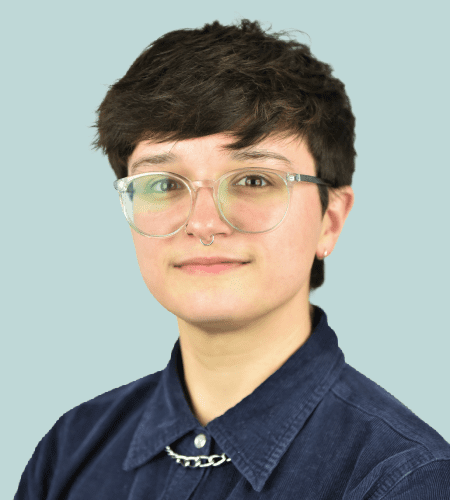
Jess May
LMSW

Julia Cornman
LPC

Kimberly Thompson
PMHNP

Elizabeth McKeon
Board-Certified-Mental Health Nurse Practitioner
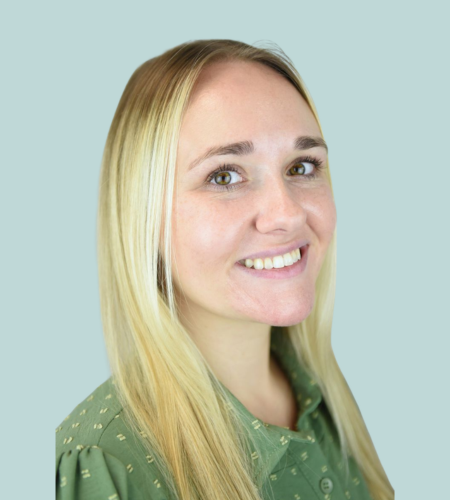
Emily Marsh
PMHNP-BC
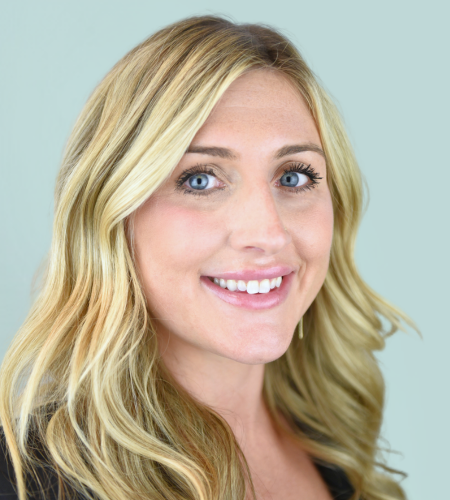
Meagan Doughty
PMHNP-BC, Masters in Nursing at University of Alabama

Laura Seipel
LPC, MAAT, ATR, PMH-C

Eunji "Angela" Sung
Nurse Practitioner

Madonna Mezzanotte
LPC, RPT
Maggie Jackson
LCSW

Olivia Dedels
LPC, NCC

Robert Smith II
LPC

Shannon Lehr
LAPC, R-DMT

Mary Susan Goodwyn
LPC, CAC II

We Accept Most Major Insurances






We Want To
Hear From You!
We welcome any and all questions! For anything
that may require a general response, feel free to
leave a message, and we will respond in a timely
manner. For questions specifically for our clinicians,
please call our office.
Call: 678.384.4911
Locations
Blairsville
Woodstock – Towne Lake Parkway
4595 Towne Lake Pkwy, Building 300,
Suites 150 & 250
Woodstock, GA 30189
678-403-1120
Atlanta Integrative Psychiatry
Sunshine Counseling
4080 McGinnis Ferry Rd.,
Suites 1304 & 1308
Alpharetta, GA 30005
678-740-3990
The information on this website is for informational purposes only; it is deemed accurate but not guaranteed. It does not constitute professional advice. Testimonials are not a guarantee, warranty or prediction of what your experience with us will be. By providing contact information, users acknowledge and give explicit consent to be contacted via the methods of communication provided, including SMS. Message and data rates may apply. Message frequency may vary. Reply STOP to opt out.
NUVEW | Copyright 2026 | All Rights Reserved Privacy Policy | Accessibility