
The overarching goal of talk therapy is to help you heal, recover and feel energized by addressing your mental health concerns. By working alongside a therapist, you can develop coping strategies, find solutions to your problems and learn how to manage the effects of stressors in your life. The aim is to empower you to reclaim your life and become the best version of yourself.

Psychotherapy

Metro Atlanta Talk Therapy
When most people think about therapy with a mental health professional, they are thinking about talk therapy, also referred to as psychotherapy. If you are someone who is struggling with managing your emotions or behaviors in response to day-to-day activities and stressors, or if you think that you may have a diagnosable mental health condition, psychotherapy may help. Call our professionals at CNSL today to learn more about psychotherapy and the many other services available to you.
What Is Talk Therapy?
Talk therapy is therapy that is based around verbal dialogue and conversation between a patient and a therapist. The purpose of talk therapy is to provide a safe space for a patient to discuss feelings and emotions related to stressors, traumatic events, relationships, grief and loss, and more. The purpose of talk therapy is to identify the issues that the patient is facing and then work with the therapist to develop strategies and solutions for decreasing the severity of symptoms and effects of these stressors and issues. Typically, talk therapy sessions last between 45 minutes and an hour, and most patients seek services about once a week, although the frequency may increase or decline based on patient needs.
Common Reasons Patients Seek Talk Therapy
There are dozens of reasons why patients may seek talk therapy, ranging from wanting help managing feelings of stress to coping with more severe mental health problems. For example, patients may seek talk therapy for help managing anxiety, depression, bipolar disorder, schizophrenia, eating disorders, mood disorders, substance abuse disorders, relationship issues, parenting issues, child behavioral issues, post-traumatic stress disorder, and grief and loss.
Types of Talk Therapy
There are different types of talk therapy, so before you engage, you should consult with your therapist about what type of talk therapy they use and what may be most appropriate for you. Types of talk therapy include:
- Behavioral therapy
- Cognitive behavioral therapy (CBT)
- Dialectical behavioral therapy (DBT)
- Humanistic therapy
- Psychodynamic therapy
- Holistic/integrative therapy
Behavioral therapy and cognitive behavioral therapy (CBT) are two of the most common types of talk therapy, and they focus on helping patients to recognize negative and unhelpful thoughts and behavior patterns, and to eliminate unhealthy behaviors and replace them with healthier, more productive behaviors. Other types of therapy may consider the impact of your childhood on your current perspective and actions or take into account unconscious meaning and motivation in your feelings, thoughts, and behaviors.
Is Talk Therapy Effective?
Studies have shown that talk therapy helps patients to achieve the results they want. According to the American Psychiatric Association, about 75% of patients who participate in psychotherapy will benefit from the sessions. Studies have also found that when started early, talk therapy can reduce the risk of long-term serious mental health conditions. The efficacy of talk therapy may be impacted by various factors, including the experience of the therapist and the patient-therapist relationship, as well as the commitment of the person seeking therapy to improve their health outcomes.
Contact CNSL Today
At CNSL, our therapists provide talk therapy services that are designed with our patients in mind. To learn more about talk therapy (psychotherapy) services and how to get started, please reach out to us by calling CNSL at (678) 384-4911 and dialing 1 for Therapy or email client.coordination@cnsl.com.
Please be advised that our front office staff do not monitor incoming calls or emails on Saturdays or Sundays. Any messages received over the weekend will be addressed in the order that they are received, as soon as possible. Be advised that the use of email is a form of communication for convenience, and that emails cannot be used for communicating in an emergency or life-threatening situation. If this is a mental health crisis or other medical emergency, please call 911, go to your nearest medical facility, or call the Georgia Crisis and Access Line at 1-800-715-4225.
FAQs About Psychotherapy in Georgia
You Don’t Need
To Do It Alone.
Help Is Just
One Click Away.




Victoria Sheffield
LMSW

Abigail Shetler
LAPC


Tiffany Peeler
LPC

Linde Ferrero
LCSW

Kimberly Meredith
MAMFT, NCC, LPC

Danielle O’Kelly
LPC

Morgan Kraut
LPC

Jill Bloemker
LPC

Olivia Cantrell
APC
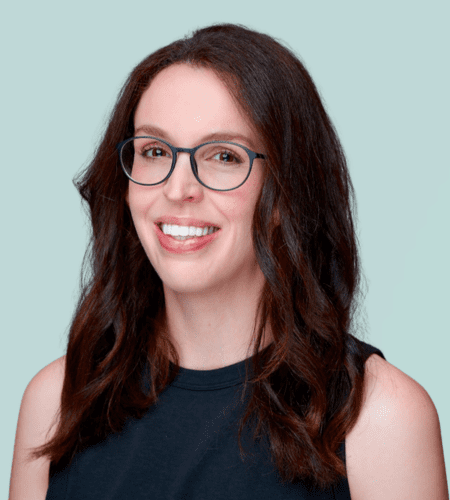
Amanda Flowers
LAMFT

Kiara Cervantes
LAMFT, Certified Prepare/Enrich Facilitator

Karen Dodge
LAPC, National Certified Counselor
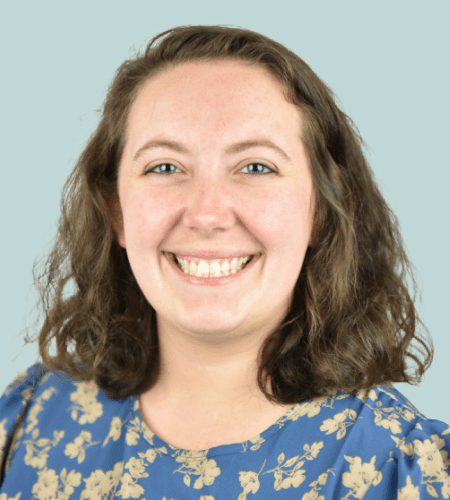
Erin Smith
MSSW, LMSW

Ramona Mott
LPC

Madison Medford
LPC

Adam Stephens
LPC

Leigh Bowerfind
MSW

Shannon Dixon
LMSW

Wanda Watson
MA, LPC
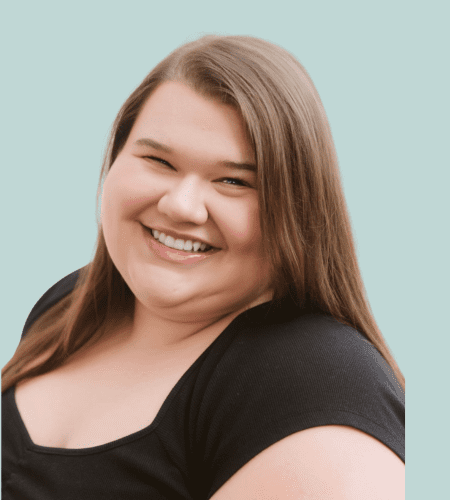
Katie Cooley
Graduate Level Counseling Intern

Jessica Taylor
Client Coordinator

Laura Madinger
LPC, OTR/L

Julia Nailor
LMSW

Megan Walsh
Masters Level Pre-licensed Therapist

Dr. Ayman Fareed
Chief Medical Officer, Psychiatrist

Dr. Jack St. Jean
MD, Board-Certified Psychiatrist
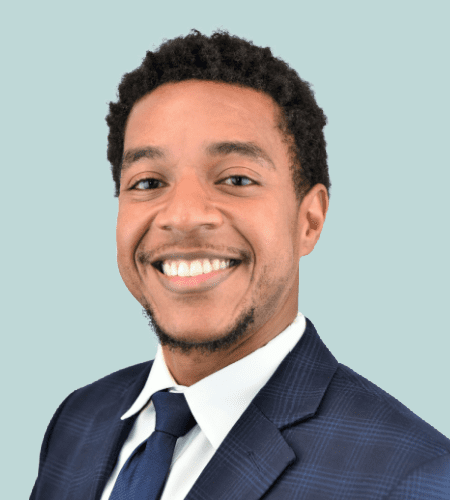
Dr. Jordan Howard
MD, Board-Certified Psychiatrist
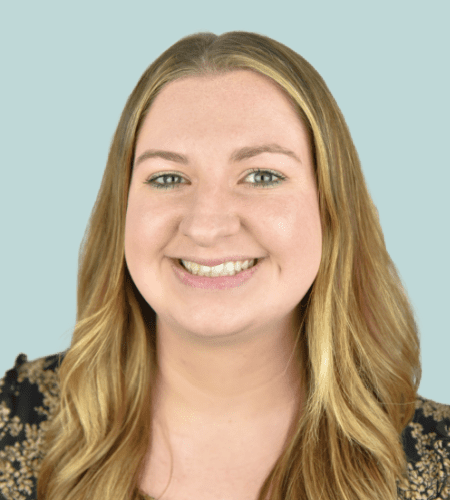
Allison Weaver
NP, Psychiatric-Mental Health Nurse Practitioner
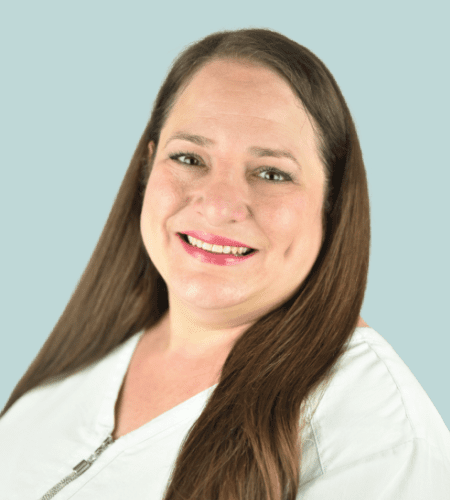
Allison Hogan
LMSW
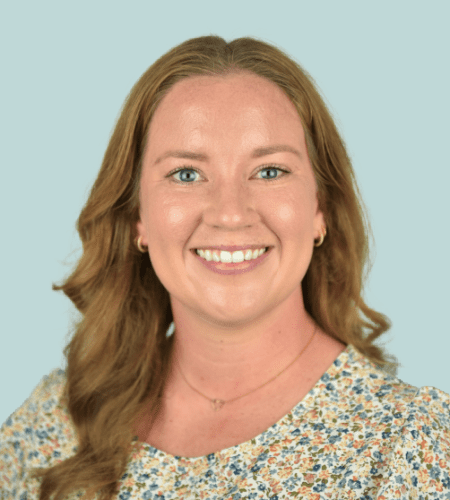
Bailey Paris
LMSW

Bonita (Bonnie) Klopach
BS Ed, LCSW

Ashlee Pratt
LAPC, NCC
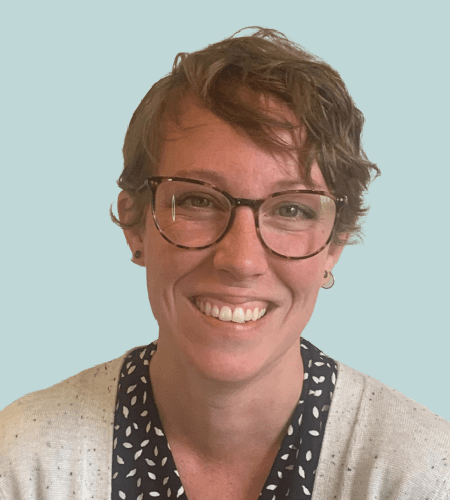
Brittany Ott
LMSW

Carly Farrell
LCSW, Gerontology Certificate, Certified Clinical Hypnotherapist
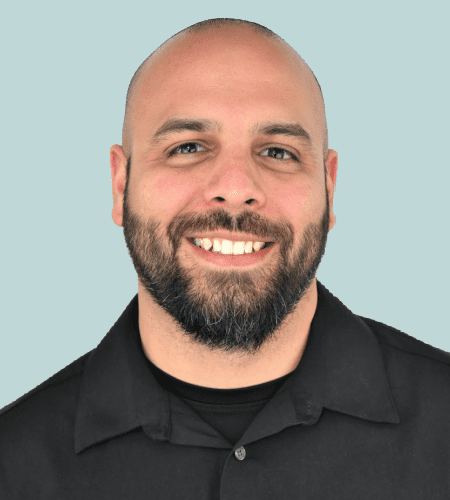
David Febles
LMFT

David Hopkins
LPC
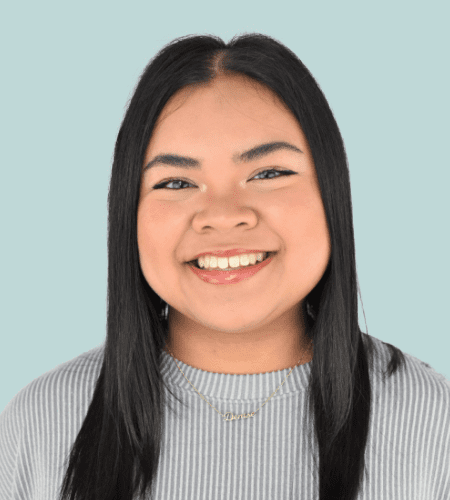
Denise Sunga
MS, LPC
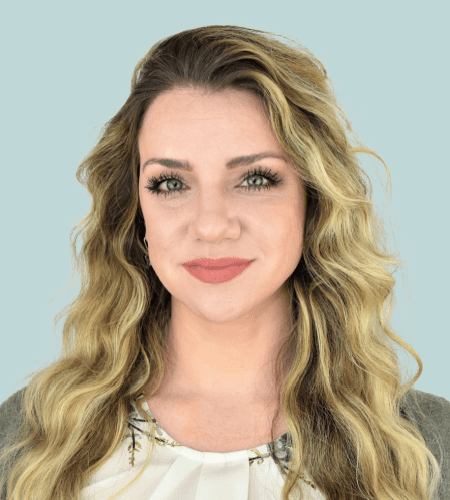
Elana Durden
LPC
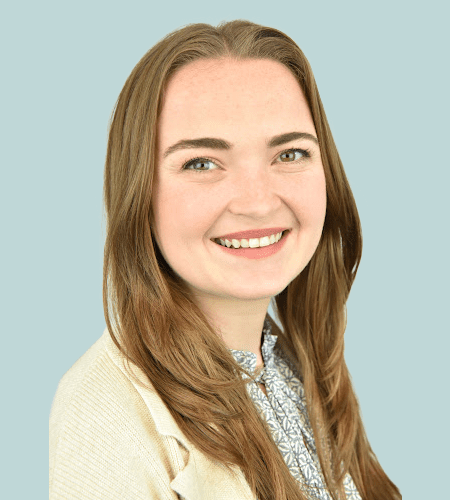
Emily Morton
PA, NCCPA-Certified

Jackie Lilly
LPC

Jade Johnson
LPC

Kyle Benson
Physician Assistant
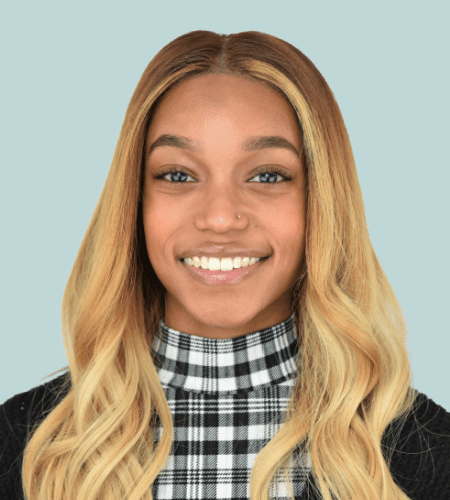
Jessica Coleman
NCC, LPC
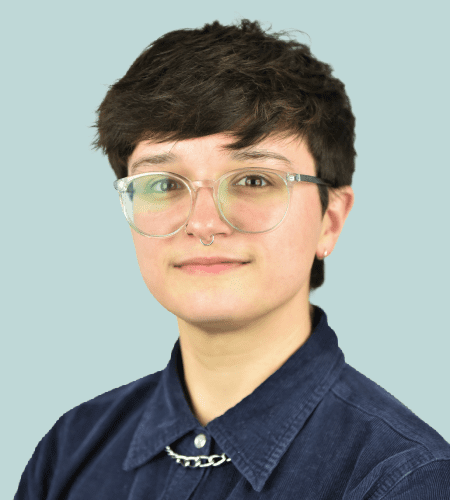
Jess May
LMSW

McKenzie Lane
PA-C

Julia Cornman
LPC

Kimberly Thompson
PMHNP
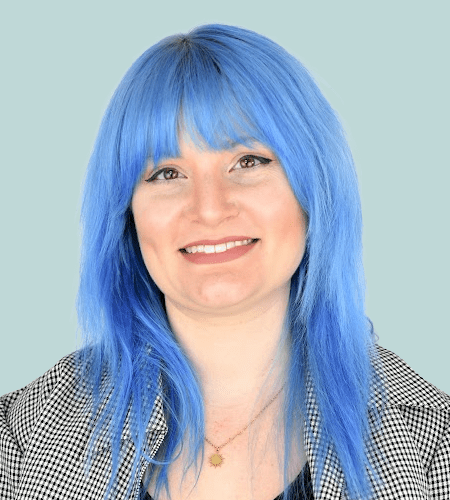
Katie Landers
LPC, ATR, Assistant Clinical Director

Laura Seipel
LPC, MAAT, ATR, PMH-C

Madonna Mezzanotte
LPC, RPT
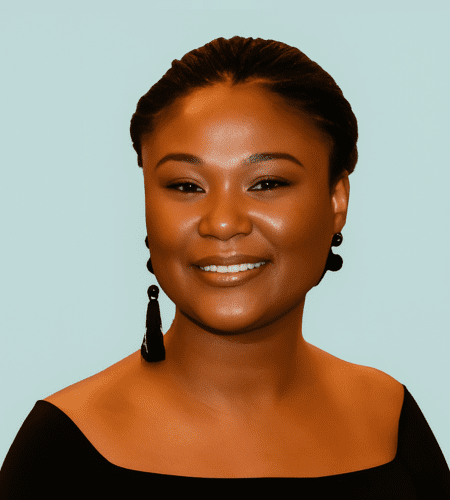
Maggie Jackson
LCSW

Meghean Teefy
LCSW
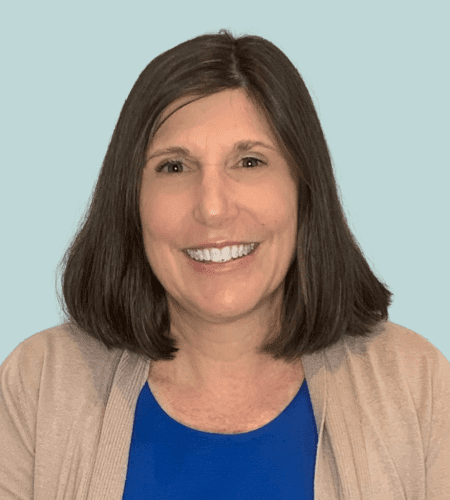
Michelle Sobel
LCSW
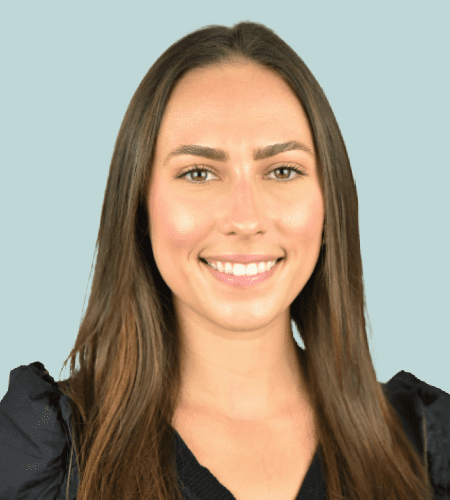
Olivia Dedels
LAPC, NCC

Robert Smith II
LPC

Shannon Lehr
MA, R-DMT

Susan Goodwyn
LPC, CAC II

We Accept Most Major Insurances






We Want To
Hear From You!
We welcome any and all questions! For anything
that may require a general response, feel free to
leave a message, and we will respond in a timely
manner. For questions specifically for our clinicians,
please call our office.
Call: 678.384.4911
Locations
3400-C Old Milton Parkway, Suite 395, Alpharetta, GA, 30005
3217 South Cherokee Lane, Suite 730, Woodstock, GA, 30188
3235 South Cherokee Lane, Building 1200, Woodstock, GA, 30188
4343 Shallowford Road, Building 410, Marietta, GA, 30062
700 Churchill Court, Suite 140, Woodstock, GA 30188
4595 Towne Lake Pkwy Bldg 300 Suite 150, Woodstock, GA 30189
4595 Towne Lake Pkwy Bldg 300 Suite 250, Woodstock, GA 30189
The information on this website is for informational purposes only; it is deemed accurate but not guaranteed. It does not constitute professional advice. Testimonials are not a guarantee, warranty or prediction of what your experience with us will be. By providing contact information, users acknowledge and give explicit consent to be contacted via the methods of communication provided, including SMS. Message and data rates may apply. Message frequency may vary. Reply STOP to opt out.
NUVEW | Copyright 2026 | All Rights Reserved Privacy Policy | Accessibility