
Depression affects everyone differently, but symptoms frequently include ongoing sadness, hopelessness, irritability and a loss of interest in activities. It can also cause changes in sleep and appetite, restlessness, difficulty concentrating and unexplained physical symptoms like headaches or backaches. These symptoms can disrupt your work, strain relationships and negatively impact your physical health.

Depression

Metro Atlanta Depression Therapy
When you don’t feel like yourself or seem to be struggling with daily activities, getting to the root cause of what’s going on is important. If you are feeling unusually sad, having thoughts of self-harm, or are no longer interested in the activities and relationships you once enjoyed, you may be experiencing depression. If these symptoms sound familiar, don’t hesitate to get the help you need as soon as possible. At CNSL, our depression therapists are here to help you set goals for therapy and take steps to reach those goals. Call us today to learn more about our services and how we can help.
What Is Depression?
Feeling sad from time to time, especially following events of loss or hardship, is completely normal. But sometimes, feelings of sadness can become persistent and overwhelming, morphing from normal sadness into depression. Depression is defined as a mood disorder that is most often characterized by feelings of persistent sadness and a loss of interest in activities or relationships. Depression impacts how you think and how you behave and can lead to various physical and emotional problems. In some cases, depression can even be dangerous as it can lead to feelings of self-harm and suicide in serious cases.
What Are the Symptoms of Depression?
Depression is characterized by a wide range of symptoms. Because symptoms may look different from person to person, it’s important to talk to your doctor or mental health professional if you think that you may be suffering from depression. Some of the common symptoms of depression include:
- Feeling sad, hopeless, or empty
- Frequent and uncontrollable crying
- Outbursts of anger or irritability
- Loss of interest in most things, including things that you once loved doing
- Trouble sleeping or sleeping too much
- Reduced appetite and weight loss or increased appetite and weight gain
- Feeling restless and anxious
- Thoughts of self-harm or suicide
- Feeling worthless
- Difficulty thinking and concentrating
- Physical symptoms that can’t be explained otherwise, such as gastrointestinal discomfort, headaches, and backaches
Sometimes, depression is experienced alongside other physical or mental health complications, such as anxiety. A skilled therapist can help you understand how these issues impact one another and assist you in developing a personalized treatment or medication plan that addresses your unique circumstances.
What Are the Treatment Options for Depression?
If you are suffering from depression, getting help as soon as possible is critical. Depression can be life-threatening at worst and can be disruptive to your daily activities at best. Depression may impact your ability to work productively, take care of your health, and remain in healthy relationships. If you think that you have depression, a professional can help you to understand the treatment options that may be available to you.
In mild cases, making lifestyle changes is enough to manage depression. This might include changing your diet or exercising more. Engaging in healthy activities, such as positive social experiences, and giving up unhealthy activities—such as consuming alcohol—can have a productive effect on your depression. Services such as talk therapy and nutritional counseling can be very effective in helping patients reach these goals.
If lifestyle changes and talk therapy are not enough to manage depression, a psychiatrist may also prescribe medication to treat your symptoms.
TMS for Treating Depression
In some cases, talk therapy and medication are not enough to manage depression effectively. Depression that is severe or resistant to medication may be the result of major depressive disorder (MDD). For patients coping with MDD, transcranial magnetic stimulation (TMS) can be a highly effective therapy. TMS involves using electromagnetic pulses to stimulate nerve cells in the brain that may be impacted by depression. TMS is non-invasive, drug-free, and painless. CNSL is a leader in offering this innovative therapy to patients throughout Georgia in need of relief from serious depression, as well as conditions like anxiety and PTSD.
Talk Therapy for Depression
A therapist can help you to understand what is causing your depression and what steps to take now to improve your life. If you are suffering from depression, don’t wait to get help. At CNSL, our team of professionals are here to support you.
To learn more about our therapy services and how to get started, please reach out to us by calling CNSL at (678) 384-4911 and dialing 1 for Therapy or email client.coordination@cnsl.com. Visit here to view FAQ about our therapy services.
FAQs About Depression Counseling in Georgia
You Don’t Need
To Do It Alone.
Help Is Just
One Click Away.




Victoria Sheffield
LMSW

Abigail Shetler
LAPC


Tiffany Peeler
LPC

Linde Ferrero
LCSW

Kimberly Meredith
MAMFT, NCC, LPC

Danielle O’Kelly
LPC

Morgan Kraut
LPC

Jill Bloemker
LPC

Olivia Cantrell
APC

Amanda Flowers
LAMFT

Kiara Cervantes
LAMFT, Certified Prepare/Enrich Facilitator

Karen Dodge
LAPC, National Certified Counselor

Erin Smith
MSSW, LMSW

Ramona Mott
LPC

Madison Medford
LPC

Adam Stephens
LPC

Leigh Bowerfind
MSW

Shannon Dixon
LMSW

Wanda Watson
MA, LPC

Katie Cooley
Graduate Level Counseling Intern

Jessica Taylor
Client Coordinator

Laura Madinger
LPC, OTR/L

Julia Nailor
LMSW

Megan Walsh
Masters Level Pre-licensed Therapist

Dr. Ayman Fareed
Chief Medical Officer, Psychiatrist

Dr. Jack St. Jean
MD, Board-Certified Psychiatrist

Dr. Jordan Howard
MD, Board-Certified Psychiatrist

Allison Weaver
NP, Psychiatric-Mental Health Nurse Practitioner
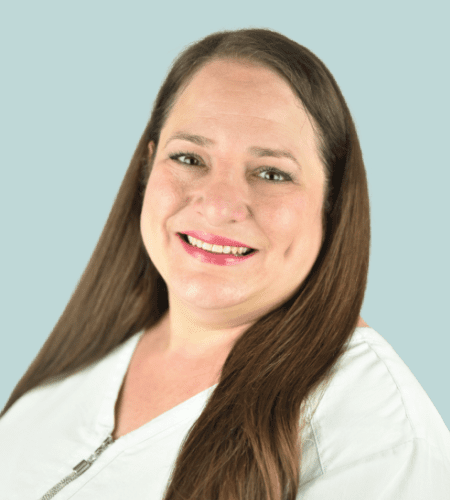
Allison Hogan
LMSW

Bailey Paris
LMSW

Bonita (Bonnie) Klopach
BS Ed, LCSW

Ashlee Pratt
LAPC, NCC
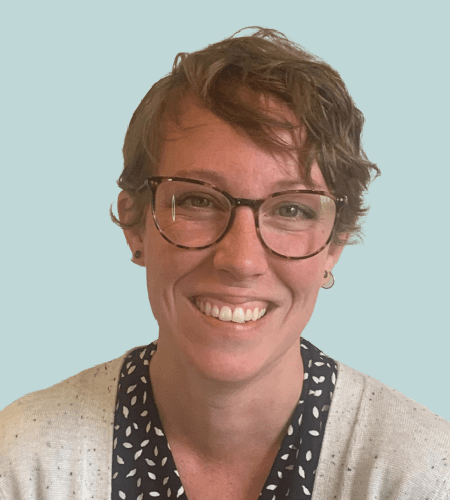
Brittany Ott
LMSW

Carly Farrell
LCSW, Gerontology Certificate, Certified Clinical Hypnotherapist

David Febles
LMFT

David Hopkins
LPC

Denise Sunga
MS, LPC

Elana Durden
LPC

Emily Morton
PA, NCCPA-Certified

Jackie Lilly
LPC

Jade Johnson
LPC

Kyle Benson
Physician Assistant

Jessica Coleman
NCC, LPC

Jess May
LMSW

McKenzie Lane
PA-C

Julia Cornman
LPC

Kimberly Thompson
PMHNP

Katie Landers
LPC, ATR, Assistant Clinical Director

Laura Seipel
LPC, MAAT, ATR, PMH-C

Madonna Mezzanotte
LPC, RPT

Maggie Jackson
LCSW

Meghean Teefy
LCSW

Michelle Sobel
LCSW

Olivia Dedels
LAPC, NCC

Robert Smith II
LPC

Shannon Lehr
MA, R-DMT

Susan Goodwyn
LPC, CAC II

We Accept Most Major Insurances






We Want To
Hear From You!
We welcome any and all questions! For anything
that may require a general response, feel free to
leave a message, and we will respond in a timely
manner. For questions specifically for our clinicians,
please call our office.
Call: 678.384.4911
Locations
3400-C Old Milton Parkway, Suite 395, Alpharetta, GA, 30005
3217 South Cherokee Lane, Suite 730, Woodstock, GA, 30188
3235 South Cherokee Lane, Building 1200, Woodstock, GA, 30188
4343 Shallowford Road, Building 410, Marietta, GA, 30062
700 Churchill Court, Suite 140, Woodstock, GA 30188
4595 Towne Lake Pkwy Bldg 300 Suite 150, Woodstock, GA 30189
4595 Towne Lake Pkwy Bldg 300 Suite 250, Woodstock, GA 30189
The information on this website is for informational purposes only; it is deemed accurate but not guaranteed. It does not constitute professional advice. Testimonials are not a guarantee, warranty or prediction of what your experience with us will be. By providing contact information, users acknowledge and give explicit consent to be contacted via the methods of communication provided, including SMS. Message and data rates may apply. Message frequency may vary. Reply STOP to opt out.
NUVEW | Copyright 2026 | All Rights Reserved Privacy Policy | Accessibility